 (410) 795-1761
When it comes to building strong, lasting infrastructure, everything starts with a solid foundation—and that foundation begins with the soil. In paving and construction projects, two common processes are used to improve soil conditions: soil stabilization and soil modification. While the terms are often used interchangeably, they serve different purposes and are used at different stages of a project.
At M.T. Laney, we specialize in both, helping construction teams, municipalities, and developers prepare reliable subgrades that stand up to heavy use and harsh weather. Let’s break down the key differences between soil stabilization and soil modification, and when you might need each.
What Is Soil Modification?
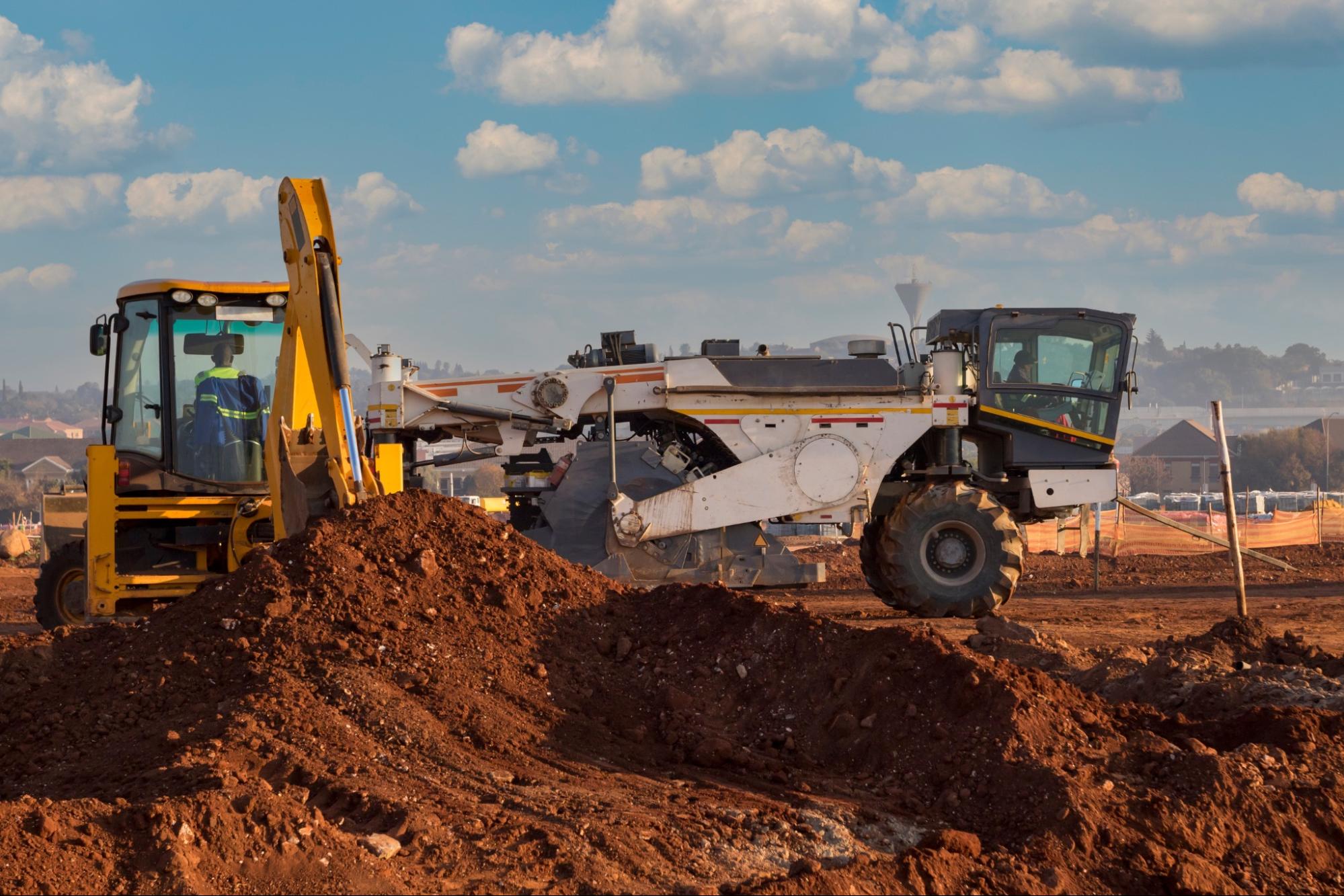
Soil modification is used to improve the workability of the soil—making it easier and faster for crews to grade, compact, and shape. This process typically occurs early in a project, especially when the existing soil is too wet, plastic, or unstable to support heavy equipment or grading operations.
The goal of soil modification is short-term improvement, not long-term strength. Crews usually introduce chemical agents like quicklime, lime kiln dust, or fly ash to reduce moisture content and alter the soil’s texture. This helps the soil reach the required moisture and density levels so construction can proceed without delay.
Key Benefits of Soil Modification:
- Makes wet, sticky soils easier to work with
- Reduces construction delays due to poor subgrade conditions
- Supports faster grading and compaction
- Saves costs by avoiding removal and replacement of poor soils
What Is Soil Stabilization?
Soil stabilization, on the other hand, is designed to improve the long-term strength and durability of the soil. This is a permanent treatment, often used on roadways, parking lots, or building pads that will experience ongoing loads and stress.
Stabilization typically involves blending chemical additives—like cement, lime, or fly ash—into the soil to change its structural properties. The treated soil hardens over time, increasing its load-bearing capacity and reducing the potential for erosion, shifting, or deformation.
Key Benefits of Soil Stabilization:
- Increases load-bearing capacity of the subgrade
- Provides long-term structural integrity
- Reduces risk of pavement failures like rutting or cracking
- Cuts down on the need for thick aggregate or asphalt layers
How to Know Which You Need
The choice between soil stabilization and soil modification depends on your project goals, timeline, and site conditions.
- Use soil modification when you need to quickly improve poor soils so grading and equipment access can continue. This is common for temporary fixes or early-stage prep.
- Use soil stabilization when your site requires a strong, load-bearing subgrade that will last over time and support structures or pavement.
At M.T. Laney, our experienced team will evaluate your project site and recommend the right soil treatment for optimal performance and cost-efficiency.
Why Partner with M.T. Laney?
With decades of experience in site development and paving, M.T. Laney is a trusted expert in Maryland for soil solutions that meet both DOT standards and real-world performance demands. Our in-house crews are trained in both modification and stabilization techniques, and we have the equipment to handle jobs of any size or complexity.
We understand that tight schedules and difficult soils can put your project at risk. That’s why we deliver fast response times, high-quality workmanship, and lasting results that set your job up for success.
Let’s Get the Ground Ready—Together
Need help determining if your site needs soil stabilization or modification? Contact M.T. Laney today to schedule an on-site consultation. We’ll make sure your foundation is built on solid ground—literally.

