 (410) 795-1761
When winter arrives, many think paving stops. Cold weather, snow, and unpredictable conditions can make it seem impossible. However, the truth is that paving can still be done during the winter if the weather is suitable and you’re working with a team experienced in cold-weather projects.
If you manage a commercial property and want to know what you can do in the colder months, this simple guide explains it all clearly.
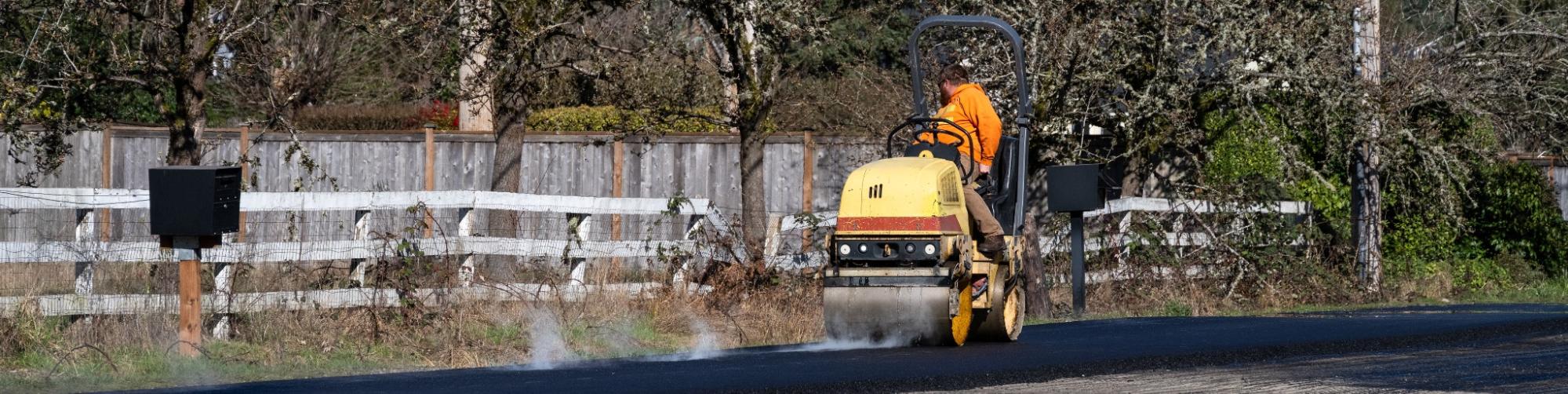
So… Can You Really Pave in the Winter?
The short answer is sometimes.
In winter, asphalt cools down much faster than in warm weather. This gives crews less time to work with it before it hardens. Successful winter paving depends on:
- Air temperature
- Ground temperature
- Wind
- Sun exposure
- Type of mix used
If the temperature is just above freezing and the ground is not frozen solid, many commercial projects can still proceed smoothly.
When Winter Paving Works Well
Even when the weather is challenging, paving in winter can still be successful in the right circumstances. Here are the types of projects that usually go well:
1. Small or Quick Repairs
Potholes, small damaged areas, and minor sinking are usually easy to handle during winter. Fixing them quickly helps keep your property safe and prevents further damage.
2. Emergency Repairs
If something on your property is dangerous, you don’t need to wait until spring to fix it. Crews can often safely and effectively make emergency repairs, even when it’s cold.
3. Projects Using Warm-Mix Asphalt
Warm-mix asphalt cools slower than traditional hot-mix asphalt, making it easier to handle at lower temperatures. It also compacts better in cooler weather.
4. Work in Sheltered Areas
Parking garages, loading areas, or paved spaces protected from harsh weather might be easier to set up during winter.
When It’s Better to Wait for Spring
Even the top paving teams face limitations; winter isn’t always the best time for every project. You might want to postpone if:
- The ground is frozen
- Temperatures stay below 32°F
- You need large-scale grading or precision compaction
- You want a long-lasting, fully cured final surface
Spring and summer have more predictable weather, helping asphalt perform better and last longer.
What About Cold Patch or Temporary Fixes?
Temporary winter fixes like cold patch are handy for quick repairs. They’re not meant to last forever, but they’re perfect for:
- Quick pothole coverage
- Reducing trip hazards
- Keeping your parking lot or driveway functional
- Preventing a minor problem from turning into a major repair.
Many commercial property owners opt for a simple winter fix and plan to do a complete paving job when the weather gets warmer.
Thinking About a Winter Paving Project? Here’s How to Plan
Even if winter paving is possible, careful planning is essential. Here’s what you need to know:
1. Start With a Site Visit
A quick look from a professional will easily show if your winter conditions can support the project.
2. Be Ready for Flexible Scheduling
Winter weather can change quickly. Being flexible helps ensure your project stays safe and successful.
3. Understand Your Material Options
Your contractor might suggest a different asphalt mix based on the temperatures.
4. Don’t Skip Maintenance
Even if your big projects are postponed until spring, winter is still an ideal time for minor repairs that help protect your pavement.
Bottom Line
Yes, you can do paving in the winter, but only if the conditions are suitable. When the weather is just right, and you have a skilled team, many commercial projects can be completed during the colder months. For larger or more complex work, waiting for warmer weather is usually the better choice.
If you’re not sure which option is best for your property, the team at M.T. Laney can help you decide the right choice—whether to start work now or plan ahead for spring. Contact us today to start planning.

