 (410) 795-1761
When you drive on a freshly paved road or walk across a new parking lot, it’s easy to appreciate the smooth surface without thinking about the planning, preparation, and expertise that went into it. At M.T. Laney, we know that every successful paving project starts long before the first layer of asphalt is laid. From initial assessments to the final rollout, each step is crucial in creating durable, high-quality surfaces that last.
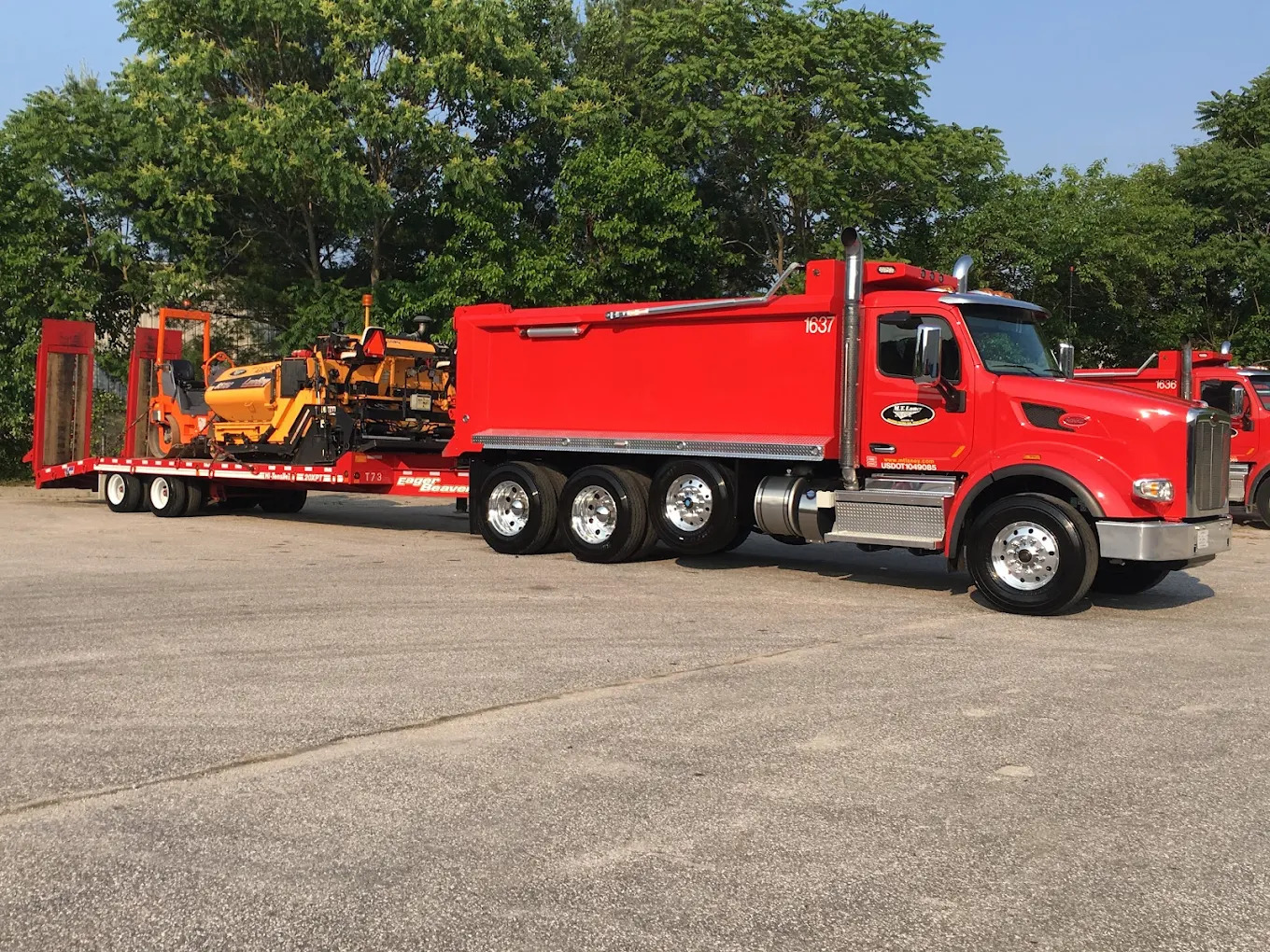
Here’s a look behind the scenes of what makes a paving project successful.
Step 1: Planning and Site Evaluation
Every paving job begins with a thorough site evaluation. Our team examines the condition of the existing surface, the type of soil underneath, drainage needs, and the intended use of the paved area. For example, a residential driveway faces different demands than a commercial parking lot or a high-traffic roadway.
This step ensures we design a solution that balances durability, cost, and performance. Proper planning also prevents problems like premature cracking, potholes, or drainage issues down the road.
Step 2: Excavation and Base Preparation
The base is the foundation of any paving project. Without a strong base, even the best asphalt won’t perform well. During this stage, we:
- Excavate and remove old pavement, debris, or unsuitable soil.
- Grade the site to ensure proper drainage.
- Install and compact an aggregate base to create a stable foundation.
A properly prepared base distributes weight evenly and prevents the pavement from shifting or sinking under heavy use.
Step 3: Asphalt Mix Design
Not all asphalt is created equal. The type of mix we use depends on factors such as climate, traffic volume, and load requirements. For example, highways require a different mix than residential roads. Our team carefully selects and designs the asphalt mixture to ensure strength, flexibility, and longevity.
Step 4: Paving and Compaction
Once the base is ready and the asphalt mix is prepared, the paving process begins. Hot asphalt is laid down using precision equipment to achieve the correct thickness and smoothness. Immediately after placement, heavy rollers compact the asphalt to remove air voids and create a dense, durable surface.
Proper compaction is one of the most critical factors in pavement performance. Without it, the surface can develop cracks and allow water infiltration, leading to early deterioration.
Step 5: Finishing Touches and Quality Control
After the asphalt is placed and compacted, our team conducts final inspections to ensure quality standards are met. Depending on the project, this may include:
- Line striping for parking lots or roadways
- Installing curbs or sidewalks
- Checking slope and drainage to prevent standing water
Every detail matters when it comes to creating a finished product that looks great and performs well for years to come.
Step 6: Long-Term Maintenance
Even the best paving job needs routine care to stay in top condition. Sealcoating, crack filling, and regular inspections can extend the lifespan of asphalt and protect your investment. At M.T. Laney, we often partner with clients for ongoing maintenance to maximize durability and minimize costly repairs.
Why Choose M.T. Laney?
With decades of experience, advanced equipment, and a commitment to quality, M.T. Laney delivers paving solutions that stand the test of time. Whether it’s a small driveway or a large commercial project, we approach every job with the same attention to detail and dedication to excellence.
Contact M.T. Laney today to learn more about our paving services and see how we can bring your next project to life—from the ground up.

