 (410) 795-1761
A worn parking lot does more than hurt curb appeal. It can create safety risks, damage vehicles, and lead to bigger repair costs if problems are ignored. For commercial property owners, facility managers, developers, and business leaders, knowing when to schedule parking lot repair can help protect both the property and the budget.
The challenge is that not every pavement issue calls for the same solution. In some cases, a targeted repair is enough. In others, resurfacing makes more sense. And when pavement has reached the end of its life, full replacement may be the better long-term option. This guide explains the most common warning signs to watch for and how to think through the right next step.
Why Early Parking Lot Repair Matters
Small pavement issues rarely stay small for long. Water gets into cracks, traffic adds pressure, and seasonal weather speeds up wear. What starts as a minor surface issue can turn into structural damage that costs far more to fix later.
That is why early parking lot repair matters. Addressing problems sooner can help extend pavement life, improve appearance, and reduce liability concerns. It also gives property owners more control over timing and budget instead of forcing a bigger project later.
Key point: Early action can save money
If you catch damage early, you may be able to repair isolated areas instead of paying for a larger resurfacing or replacement project.
Common Signs a Parking Lot Needs Attention
A parking lot will usually show clear signs when it needs work. The key is knowing what those signs may mean.
Cracks Are Often the First Warning Sign
Cracks are one of the most common reasons property owners start looking into parking lot repair. Not all cracks are the same, but none should be ignored for long.
When cracks may need repair
Small surface cracks can often be sealed before they spread. This helps keep water out and slows further damage.
Watch for:
- Long linear cracks
- Multiple cracks in the same area
- Cracks widening over time
- Water collecting inside cracked sections
When cracks may point to larger issues
If cracking is widespread or forms a pattern across large areas, the pavement may have deeper structural problems. In that case, resurfacing or replacement may be more effective than repeated patching.
Key point: Isolated cracks often mean repair is enough
If damage is limited and the base is still sound, targeted parking lot repair may solve the problem.
Potholes Usually Mean Damage Has Progressed
Potholes are more than a surface nuisance. They are a sign that pavement deterioration has moved beyond minor wear. Once potholes appear, the lot may already have water intrusion and base failure in those spots.
Why potholes should be handled quickly
Potholes can:
- Create trip hazards
- Damage tires and suspensions
- Hold water and grow larger
- Make the property look poorly maintained
Localized potholes can often be handled with prompt parking lot repair. But if potholes keep appearing in several places, resurfacing or replacement may be the smarter move.
Key point: Repeated potholes may signal deeper failure
If potholes return after repair, the issue may be below the surface.
Drainage Problems Can Shorten Pavement Life
Drainage is one of the most overlooked causes of pavement damage. When water does not move off the lot properly, it weakens asphalt over time and increases the risk of cracks, potholes, and base problems.
Signs of drainage trouble
Look for:
- Standing water after rain
- Low spots that stay wet
- Erosion near pavement edges
- Water flowing toward buildings or walkways
In some cases, parking lot repair can address the damaged area while improving grading or drainage flow. If drainage issues are widespread, resurfacing or reconstruction may be needed to correct the slope and protect the pavement long term.
Key point: Water is one of asphalt’s biggest enemies
If your lot holds water, fixing the surface alone may not be enough.
Fading Striping and Surface Wear Affect More Than Appearance
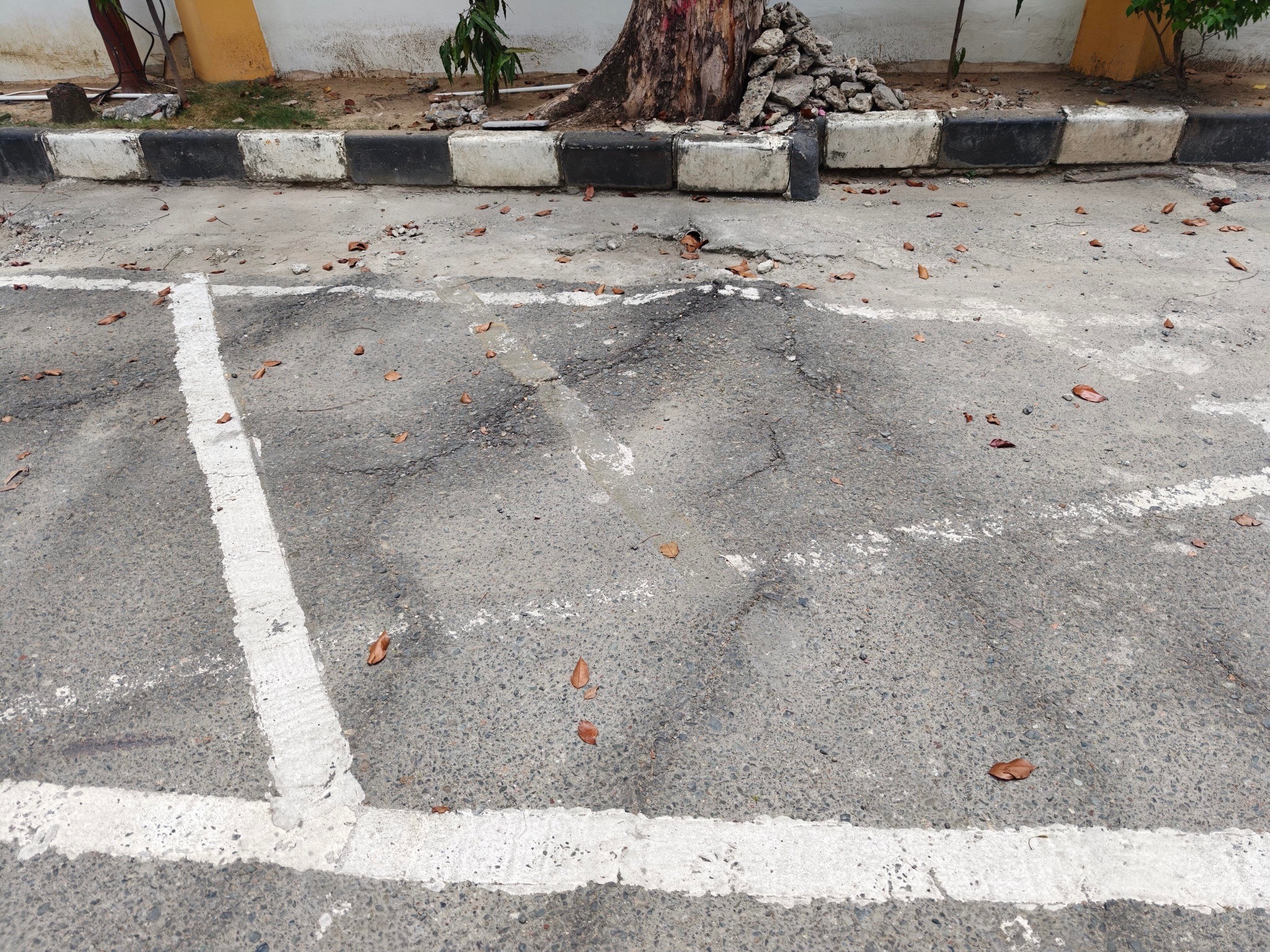
Not every pavement issue is structural. Sometimes the first visible sign is a worn surface. Fading striping, loss of color, and a rough texture can make a lot look older and less professional.
What surface wear may mean
Surface wear can show up as:
- Faded parking lines
- Raveled or loose surface aggregate
- Dull gray asphalt instead of rich black
- A dry, brittle-looking finish
This is often the stage where resurfacing becomes a strong option. If the underlying pavement is still stable, resurfacing can restore appearance and performance without the cost of full replacement. In some cases, lighter parking lot repair work combined with restriping may be enough for limited areas.
Key point: Worn surfaces may be good candidates for resurfacing
If the structure is intact, resurfacing can give the lot a fresh, longer-lasting surface.
Aging Pavement May Call for Replacement
All asphalt has a lifespan. Even with good maintenance, older parking lots eventually reach a point where continued patching stops making financial sense.
Signs replacement may be the better option
Replacement may be worth considering if you see:
- Widespread cracking across the lot
- Frequent patching in many areas
- Major drainage failures
- Severe surface breakdown
- Pavement that has simply aged out
When a lot has extensive damage, repeated parking lot repair may only delay the inevitable. Full replacement can cost more upfront, but it may provide better long-term value if the lot’s structure is failing.
Key point: Replacement makes sense when repairs no longer last
If pavement problems are broad and recurring, replacement may be the most practical investment.
How to Decide Between Repair, Resurfacing, and Replacement
The right solution depends on the condition of the pavement, not just what is visible on top.
Repair may be enough when:
- Damage is isolated
- Cracks are limited
- A few potholes have formed
- The base remains stable
Resurfacing may make sense when:
- The surface is worn but structurally sound
- Cracking is moderate, not severe
- The lot needs a refreshed finish and improved appearance
Replacement may be best when:
- Damage is widespread
- Structural failure is present
- Drainage issues are severe
- Repairs no longer hold up
A professional pavement evaluation can help determine which option fits the lot’s current condition and long-term needs.
Protect Your Property With the Right Parking Lot Repair Plan
The best time to address pavement issues is before they become larger and more expensive. Cracks, potholes, drainage problems, fading striping, surface wear, and aging asphalt all point to the need for closer attention. The key is choosing the right response at the right time, whether that means targeted parking lot repair, resurfacing, or full replacement.MT Laney helps commercial property owners, facility managers, developers, and business decision-makers make smart pavement maintenance decisions. If your property is showing signs of wear, contact us online or at (410) 795-1761 to discuss the right parking lot repair strategy for your lot and your long-term goals.

